Insights That DriveBetter School Decisions
Practical insights, emerging trends and strategic perspectives to help schools strengthen performance, make informed decisions and achieve sustainable excellence.
Featured Insights
Insights for Leaders Who Shape
the Future of Schools
Strategic perspectives, emerging trends and practical observations to help educational institutions make better decisions.
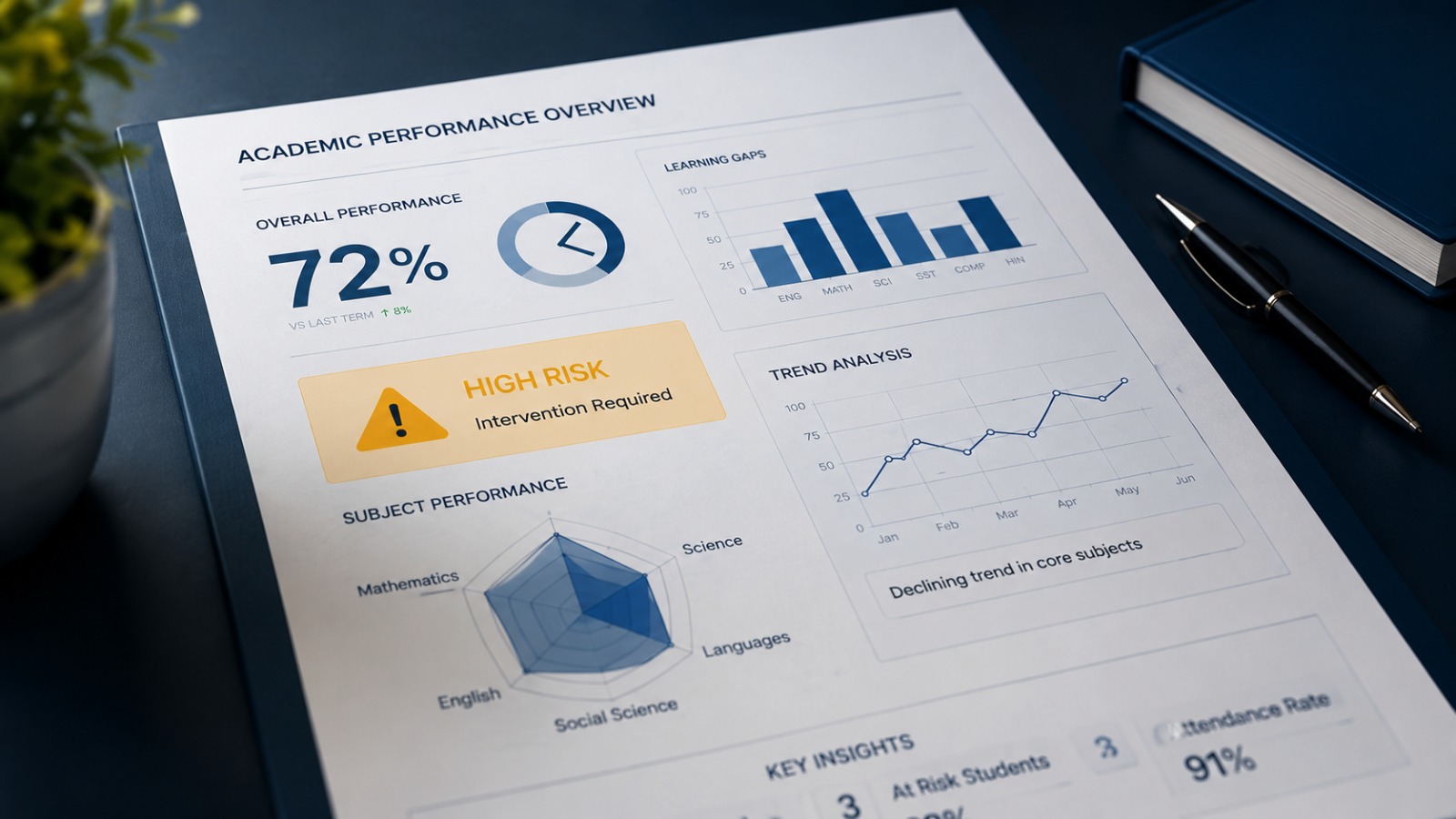
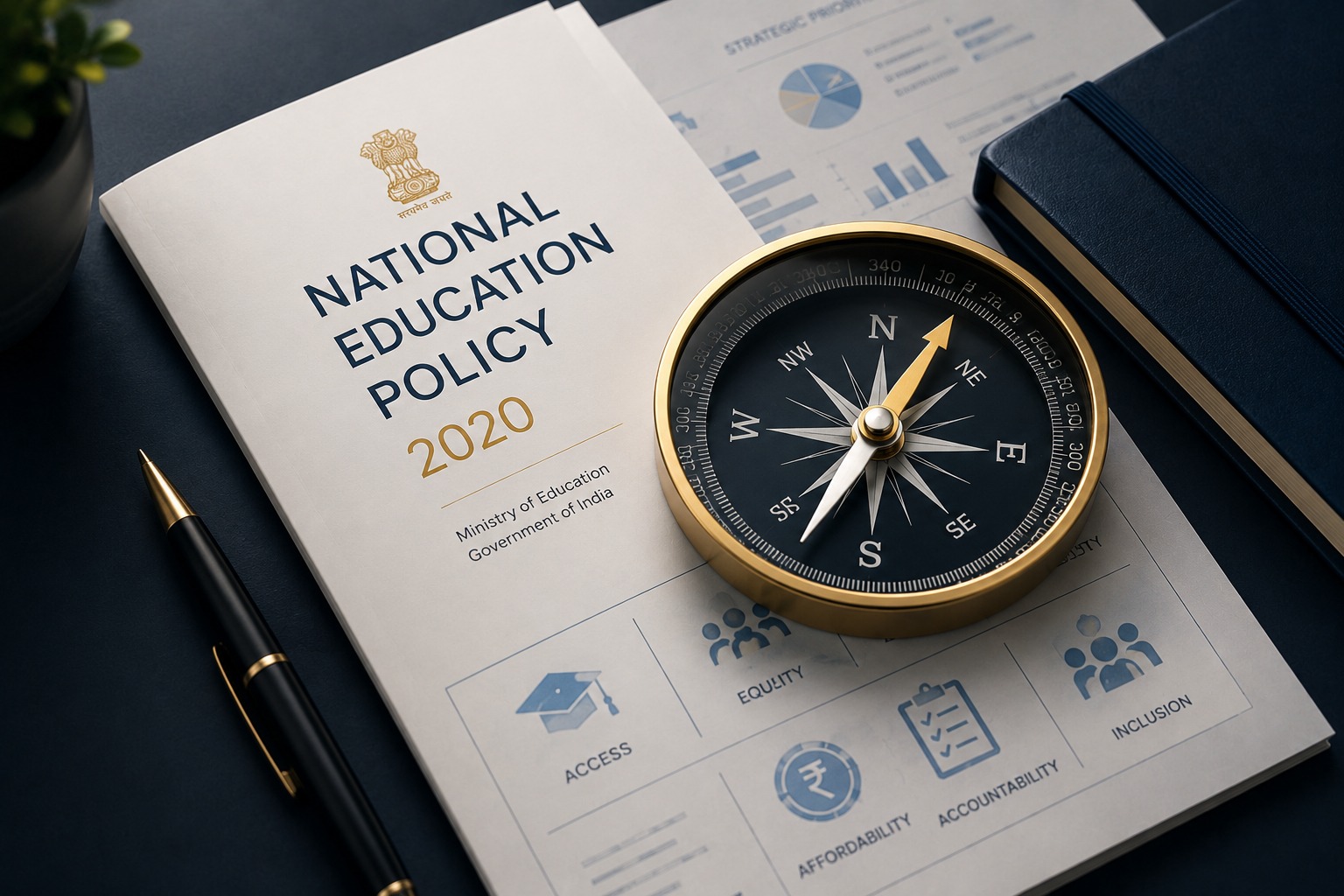


What We Are Observing
Emerging trends shaping the future of schools
Across institutions, certain patterns are becoming increasingly visible.
Emerging Trends
The schools that will thrive over the next decade will not necessarily be those with the biggest campuses. They will be the schools with the strongest systems.
Best Practices Followed by High-Performing Schools
Through observation and analysis, high-performing schools consistently demonstrate certain characteristics.
Case Studies
Real-world school improvement stories
How structure, visibility, and evidence create better decisions and stronger outcomes.
Improving Academic Performance Through Structured Classroom Observations
A CBSE School in Telangana
Challenge
Student performance varied significantly across sections despite common curriculum delivery and experienced teaching staff.
Findings
Classroom observations revealed inconsistencies in instructional strategies, student engagement, questioning techniques, and formative assessment practices.
Intervention
A structured classroom observation framework, teacher coaching model, and academic monitoring process were introduced.
Results
Improved classroom engagement, greater instructional consistency, stronger academic accountability, and measurable improvement in learning outcomes.
When School Reputation Hid Operational Reality
An Established School with Strong Market Presence
Challenge
The institution enjoyed healthy admissions and a positive parent perception but faced growing concerns regarding academic consistency and teacher accountability.
Findings
A comprehensive review revealed several hidden performance gaps that were not visible through routine reporting mechanisms.
Intervention
An institution-wide diagnostic review followed by targeted academic, HR, and operational improvement initiatives.
Results
Greater leadership visibility, stronger decision-making capability, improved accountability systems, and a clear roadmap for sustainable institutional growth.
The greatest risks facing a school are rarely the problems everyone can see.
They are the gaps hidden beneath successful routines, positive assumptions, and familiar practices. Schools that continuously question, evaluate, and improve are the schools that remain relevant, respected, and future-ready.
Excellence is not achieved by chance. It is achieved by understanding reality clearly—and acting on it deliberately.